Running gear
Shokz OpenRun Pro 2: The Running Headphones That Keep You Connected to the Road
There is a moment on almost every outdoor run when you want two things at once. You want the song to carry you through the dull middle miles, but you also want to hear the bike coming up behind you, the dog walker around the bend, or the car edging out of a driveway. The Shokz OpenRun Pro 2 is built around that exact tug-of-war.

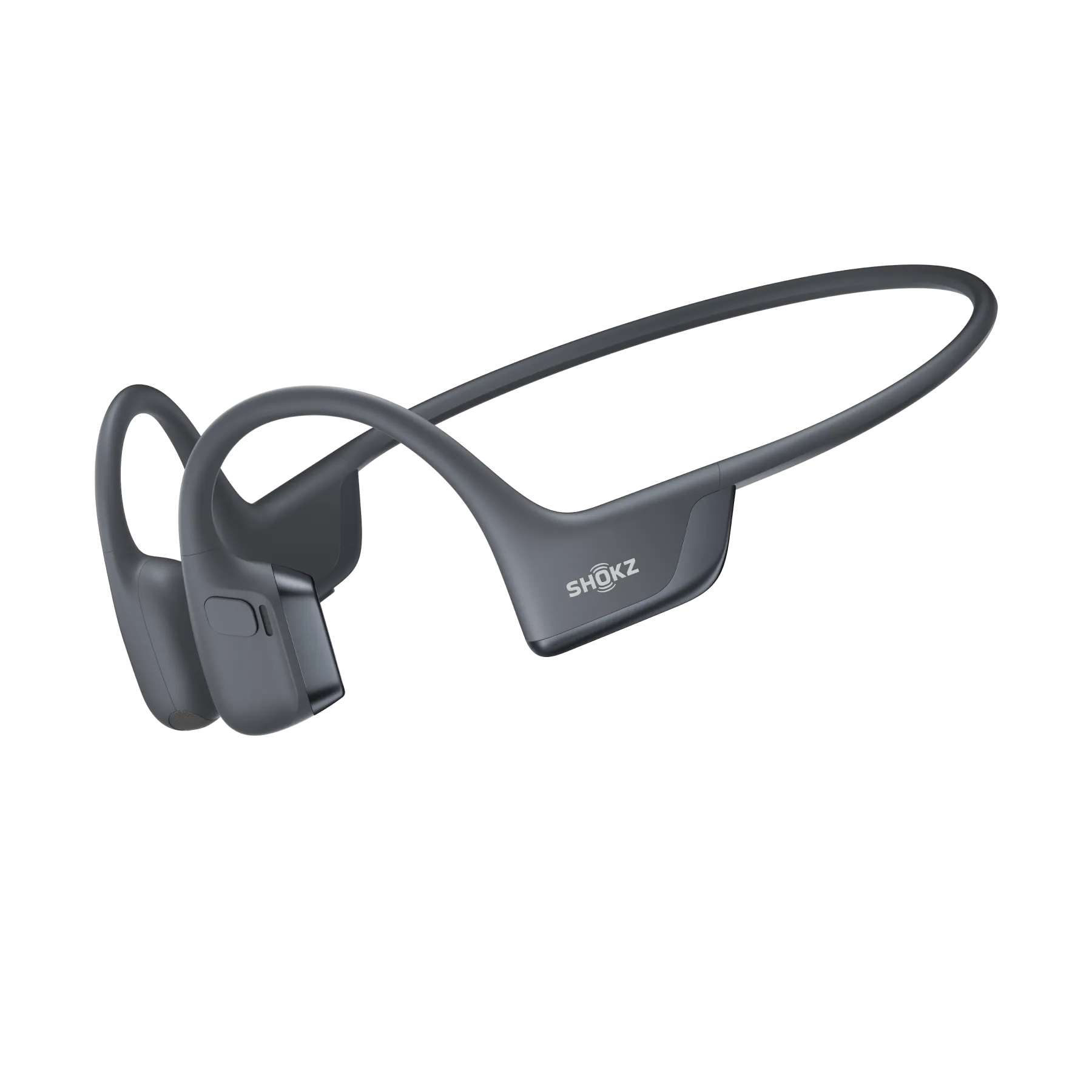
Official product image courtesy of Shokz.
A quick note on this review: We have not logged our own miles in this pair. This guide brings together Shokz's specifications and hands-on reporting from runners and audio reviewers, then translates it into the questions that matter on an ordinary run: Will it stay put? Can you hear your route? Does the battery last? And where does the open design struggle?
Affiliate disclosure: If you buy through a link in this article, Moda Selection may earn a commission at no extra cost to you. That does not change our assessment or the price you pay.
The reason to buy it is not just “bone conduction”
OpenRun Pro 2 is often described as a pair of bone-conduction headphones, but that is only half the story. Shokz's DualPitch system uses one bone-conduction driver for mids and highs and a separate air-conduction driver for bass. In plain English, voices and detail are delivered through vibrations at the cheekbone, while a small speaker adds the low-end weight that older open-ear headphones often lacked.
That division of labor matters more than the technical name. Bass no longer has to be pushed through your cheekbones at high intensity, so there is less of the ticklish buzzing sensation some people notice when they turn bone-conduction headphones up. Independent reviewers at SoundGuys found the bass improvement clear, while Tom's Guide also noted that the hybrid design gives music more body than you might expect from an open pair.
The fit makes sense after about ten seconds
You hook the arms over your ears, let the speaker pads rest just in front of them, and the flexible band curves behind your head. There are no silicone tips to twist into place and no seal to keep readjusting when sweat builds up. At roughly 30 grams, the frame is light enough that it should fade into the background once you settle into a run.
The reassuring part is how consistent the fit reports are. Tom's Guide wore the headphones for daily runs over two weeks, along with strength work, cycling, and yoga, and found them secure without uncomfortable pressure. SoundGuys reached a similar conclusion on stability. Glasses and a running cap generally fit alongside the slim ear hooks too, which is a small detail until you have spent half a winter run rearranging three things behind one ear.
There are two band sizes: Standard and Mini. The audio and features are the same. The Mini simply leaves less space behind the head. If the Standard band tends to brush a jacket collar or bounce against a ponytail, the shorter option may be the better fit. Shokz provides a printable sizing guide, and it is worth using rather than guessing from the word “Mini.”
The wraparound frame comes in Standard and Mini sizes. Official product image courtesy of Shokz.
Open ears make a run feel less cut off
Nothing blocks the ear canal, so outside sound reaches you naturally. You do not need a transparency mode to hear footsteps, conversations, traffic, or the first drops of rain. On a park loop or a quiet neighborhood route, that can feel pleasantly normal: music is there, but the rest of the world has not been digitally piped back in.
This is awareness, not a safety force field. A loud playlist can still mask quieter sounds, and no headphones can make a careless crossing safe. Keep the volume sensible, follow local rules, and give busy junctions your full attention. The benefit is simply that OpenRun Pro 2 does not put a physical seal between you and the route.
Sound is fuller than the design suggests
The most useful description is “good running sound,” not “private listening-room sound.” The air-conduction bass driver gives drums and basslines enough shape to stop a playlist feeling thin, while spoken audio stays easy to follow. The Shokz app adds six preset EQ modes and two custom profiles, so you can keep one setting for podcasts and another for an upbeat run.
Start with the regular EQ before chasing sliders. If traffic or gym noise begins to swallow a podcast, the Volume Boost mode can help. Classical mode switches off the air-conduction driver and uses bone conduction only, which is useful if you prefer a lighter presentation. None of these modes changes the basic physics of an open ear, though.
On a calm path, the balance works. Beside heavy traffic or in strong wind, you may turn the volume up and still miss low-level detail. On a plane or underground train, the absence of isolation becomes even more obvious. RTINGS found that noisy environments can overwhelm the open presentation, and that is the honest trade: you can hear the world because the headphones do not try to shut it out.
The controls work when your hands are sweaty
There is a large multifunction button on the left side for playback and calls, plus separate volume buttons near the charging port. Physical controls are the right choice for running. You can pause for a crossing or skip a song without swiping a damp touch panel and hoping it understood.
The volume buttons are small and close together, so they may take a few outings to identify by feel. SoundGuys found that especially awkward with gloves. It is not a deal-breaker, but it is worth learning the button layout indoors before your first dark, cold-weather run.
Twelve hours is more than a long-run number
Shokz rates the OpenRun Pro 2 for up to 12 hours per charge, and a five-minute USB-C top-up is rated for up to 2.5 hours. Real battery life moves with volume, calls, and connection conditions. Tom's Guide reported roughly 10 to 11 hours while listening near maximum volume, which is still enough for several normal runs or a very long race day.
The practical win is not having to remember a proprietary cable. USB-C means the same lead already living in a work bag or travel pouch can probably charge the headphones. If you discover a low-battery warning while tying your shoes, the quick-charge figure is enough to rescue a workout while you finish getting ready.
Calls are fine until the wind joins in
Dual microphones and noise-reduction processing make the OpenRun Pro 2 useful for a quick call on a walk or an easy run. In a quiet place, voices should be clear enough for ordinary conversation. Wind is the catch. Independent microphone tests found that gusts can make speech much harder to understand, so these are not the pair to choose for a long work call on an exposed route.
Multipoint pairing is more useful day to day. The headphones can stay connected to a phone and laptop, letting you move from a desk call to a run without deleting and rebuilding connections. Bluetooth 5.3 and app controls round out the experience without making setup feel like a project.
Sweat and light rain are fine; the pool is not
An IP55 rating means the headphones are designed to handle sweat, dust, and light rain. That covers a hot tempo session or the shower that appears halfway through a run. It does not cover swimming, showering, a sauna, or submerging the headphones to clean them.
Wipe them down after a wet session and let the charging port dry before plugging in. Water resistance can diminish with wear, so treating an IP rating as useful protection rather than an invitation to soak the product is the sensible habit.

The open-ear fit keeps the ear canal clear during outdoor runs. Official product image courtesy of Shokz.
A couple of annoyances show up away from the road
The rear band is excellent when you are upright and moving. Lean back against a high chair, lie on a weight bench, or pull up a hood with a stiff collar and it can bump the surface behind you. Several reviewers noticed the frame shifting during floor exercises. For running, that is rarely relevant; for an all-day pair that also needs to work on a gym bench and an airplane headrest, it deserves a mention.
There can also be some sound leakage at high volume. It is unlikely to matter outdoors, but someone sitting close in a quiet office may hear the edges of your playlist. Again, open-ear listening is not private listening in disguise.
Who will actually enjoy the OpenRun Pro 2?
It is a strong match if you run outdoors, dislike the pressure of silicone ear tips, wear headphones for long stretches, or want music without feeling cut off from your surroundings. It also makes sense for walkers, commuters on quieter routes, and anyone moving between a desk and a workout who appreciates multipoint pairing and straightforward controls.
Skip it if your main use is air travel, a loud subway, or a gym where the speakers are already fighting for attention. It is also the wrong tool if deep bass, active noise cancellation, or complete privacy matters more than awareness. The OpenRun Pro 2 sounds better than its airy fit suggests, but it cannot rewrite the rules of an open ear.
Final verdict: the easy miles are the point
The best running gear is often the gear you stop thinking about. The Shokz OpenRun Pro 2 gets close to that feeling: put it on, press a real button, hear your route, and leave the house. The band stays steady, the ear canal stays open, and the battery is long enough that charging does not become part of every pre-run ritual.
Its weaknesses are predictable rather than hidden. Wind can rough up calls, loud roads can push back against the music, and the rear band is less comfortable against a headrest. If those sound manageable, the combination of comfort, awareness, and fuller open-ear audio makes the OpenRun Pro 2 an easy pair to picture becoming part of a regular running routine.
Frequently asked questions
Is the Shokz OpenRun Pro 2 fully bone conduction?
No. It uses Shokz DualPitch technology: a bone-conduction driver handles mids and highs, while an air-conduction driver adds bass. That hybrid setup is designed to produce fuller sound with less vibration around the cheekbones.
How long does the Shokz OpenRun Pro 2 battery last?
Shokz states up to 12 hours of playback. A five-minute quick charge can provide up to 2.5 hours under the company's test conditions. Volume and call use can reduce the real figure.
Can you wear the Shokz OpenRun Pro 2 in the rain?
Yes, its IP55 rating is intended for sweat and light rain. It is not made for swimming, showering, or submersion, and the charging port should be dry before you plug it in.
Should you choose Standard or Mini?
The core features are identical. Mini has a shorter band for smaller heads or anyone who wants less space behind the neck. Use Shokz's sizing guide before ordering rather than treating Mini as a less capable version.
Does the Shokz OpenRun Pro 2 have noise cancellation?
No. The open-ear design deliberately lets surrounding sound in. That is useful for awareness outdoors, but it provides neither active noise cancellation nor the passive isolation of sealed earbuds.