Beauty shelf care
When Should You Replace Makeup and Skincare?
Published: · By Moda Selection editors
The lipstick from a wedding three years ago, the sunscreen that lived in a hot car, the mascara you cannot remember opening: beauty products do not all age in the same way, and a single universal expiry chart cannot tell the whole story.
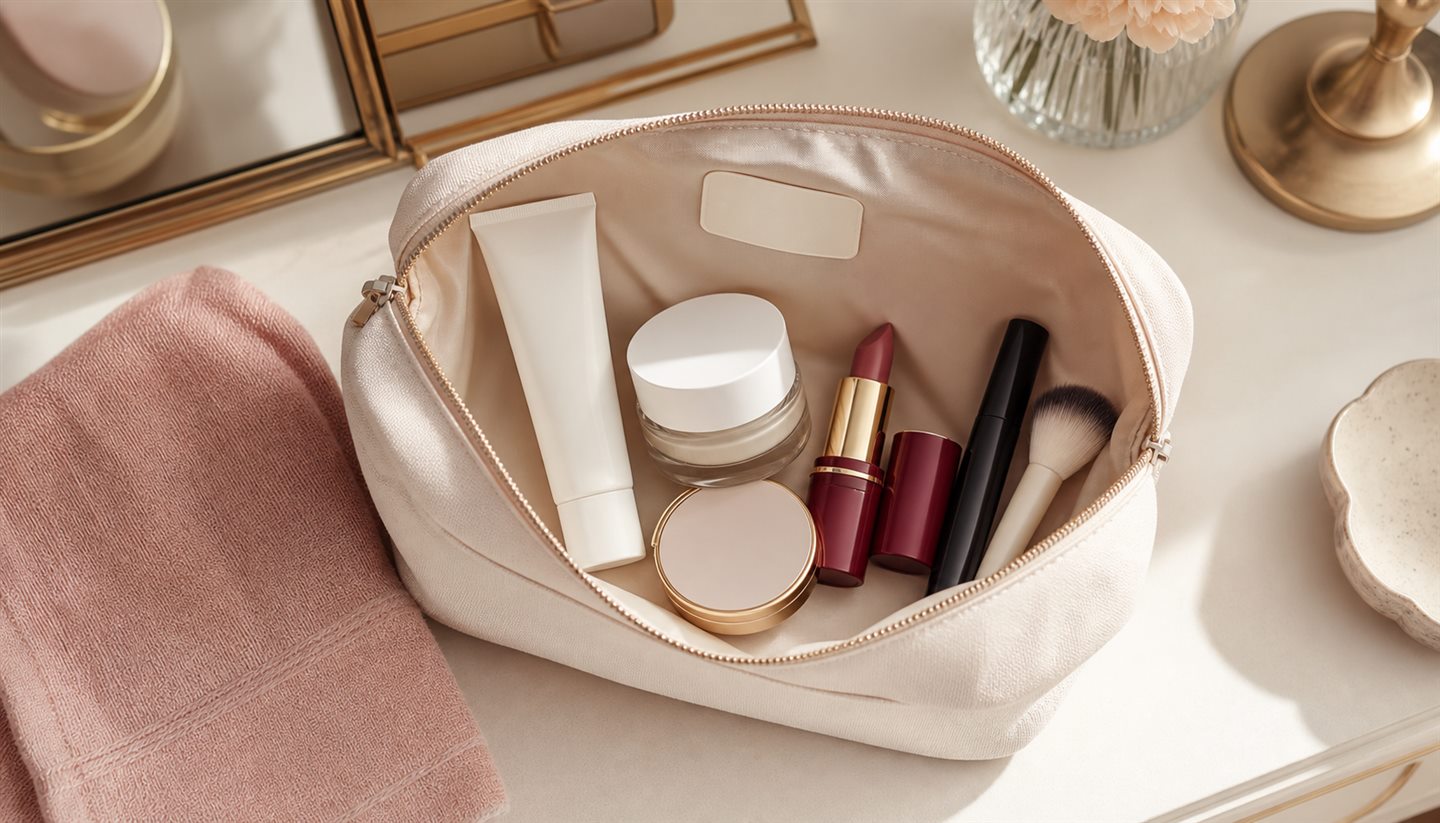
Start with the label and the opening date
Some packaging shows an expiry date. Some shows a small open-jar symbol with a number such as 6M or 12M, indicating a period after opening. In the United States, cosmetic expiration dates generally are not required on labels, so the manufacturer's directions and your own opening date matter.
Write the month and year on the bottom with a fine marker, or keep a note on your phone. This feels overly organized for about ten seconds and becomes extremely useful six months later.
Eye products deserve less nostalgia
Mascara and other products used close to the eyes have repeated contact with applicators and skin. The FDA notes that some industry experts recommend replacing mascara about three months after purchase. If it dries out, smells different, or you have had an eye infection, discard it. Do not add water or saliva to revive it.
Watch for changes in smell, color, and texture
A product that separates when it is meant to be uniform, develops an unfamiliar odor, changes color, or becomes unusually runny or thick is telling you something. Stop using it rather than treating the last quarter of the bottle as a financial obligation.
Storage can shorten the useful life
Heat, direct sunlight, moisture, and a loose cap can make a product deteriorate sooner. A bathroom shelf may be convenient but steamy; a car can become extremely hot. Follow the storage instructions and keep containers clean.
Packaging changes the contamination risk
A pump limits direct contact. A jar invites fingers, which is not automatically a problem if hands are clean and the product is handled as directed. Do not share makeup, and use a clean tool when a product calls for one.
Sunscreen is not the place to improvise
Follow the printed expiration date and storage directions. Replace a sunscreen that has changed noticeably or has been stored in conditions the manufacturer warns against. Protection is the job; a nearly full old bottle is not a bargain if you cannot rely on it.
Do a shelf check twice a year
Put every product on a towel, clean the containers, and sort them into daily use, occasional use, and uncertain. Check dates and changes. The uncertain pile should not return to the drawer just because there is space.
This is also a useful shopping record. If you repeatedly discard half-full versions of the same product, buy a smaller size or stop buying backups.
If a cosmetic causes a rash, swelling, infection, or another concerning reaction, stop using it and seek appropriate medical advice.